Bariatric & Metabolic Health

Sleeve Gastrectomy vs Gastric Bypass: Which Weight-Loss Surgery Is Right for You?

Sleeve or bypass? Compare weight loss, diabetes, acid reflux, nutrition and recovery in simple language, and learn how surgeons help you choose.

Medically reviewed by Dr. Vikrant Sharma

Novo Robotic Surgery Centre · Kaushambi, Ghaziabad

7 min read

You have tried diets. You have tried the gym. Maybe you have lost weight a few times, only to see it come back. Now your doctor has mentioned weight-loss surgery, and suddenly you are facing a new question:

Sleeve or bypass? Which one should I choose?

Both are proven, well-studied operations. But they work differently, and the "better" one depends entirely on your body and health. Let's break it down in plain language.
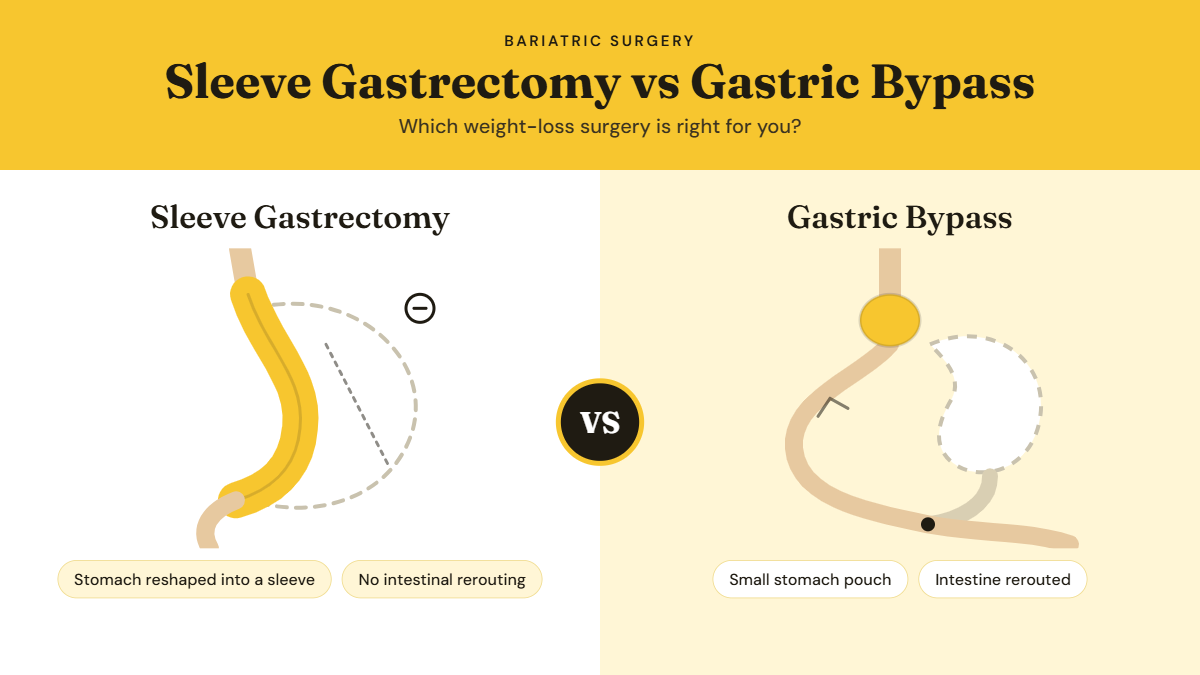
Infographic comparing sleeve gastrectomy, where the stomach is reshaped into a narrow sleeve with no intestinal rerouting, and gastric bypass, where a small stomach pouch is created and the intestine is rerouted
A sleeve reshapes the stomach into a narrow tube. A gastric bypass creates a small pouch and reroutes food past part of the small intestine.

1First, am I eligible?

Here is something many people in India don't know: the BMI cut-offs are lower for Asians. International guidelines released in 2022 by the leading global surgical bodies (ASMBS and IFSO) say:

  • Surgery is recommended for anyone with a BMI of 35 or more, even without other health problems.
  • It should be considered at a BMI of 30 to 34.9 if you have conditions like type 2 diabetes.
  • For Asian populations, a BMI above 27.5 may qualify, because we tend to develop diabetes and heart disease at lower weights.

Clinical insight

BMI is only a starting point. Your surgeon also looks at diabetes, blood pressure, sleep apnoea, joint problems and your past attempts at weight loss before recommending surgery.

2Surgical mechanisms explained

How does sleeve gastrectomy work?

Think of your stomach like a large pouch that can hold a lot of food. During a sleeve gastrectomy, the surgeon removes about 75–80% of the stomach, leaving behind a narrow, banana-shaped tube, the "sleeve".

What changes after surgery

  • You feel full after eating much less.
  • Hunger drops, because the part of the stomach that makes most of the hunger hormone is removed.
  • Food still follows its normal path through the intestines.

How does gastric bypass work?

This is a two-step change. In a Roux-en-Y gastric bypass, the surgeon creates a small pouch from the upper part of the stomach and connects it directly to the small intestine, so food skips most of the stomach and the first part of the intestine.

What changes after surgery

  • You eat smaller portions.
  • Your body absorbs fewer calories.
  • Gut hormones change in ways that strongly affect blood sugar.

A popular variation, the mini gastric bypass, uses a single connection instead of two.

Expert comparison

Sleeve vs bypass: side by side

Comparison of sleeve gastrectomy and gastric bypass
FactorSleeve gastrectomyGastric bypass
What's doneStomach made smallerSmall pouch + intestine rerouted
ComplexitySimplerMore complex
Long-term weight lossGoodGood, often more durable
Acid reflux (GERD)Can start or worsenOften improves
Blood sugarImprovesTends to improve more
Vitamin needsSupplements neededLifelong supplements essential
Can it be reversed?NoTechnically possible, rarely done

Which one might suit you?

There's no one-size-fits-all answer, but here's a general picture.

A sleeve may be a better fit if:

  • You don't have significant acid reflux.
  • You want a simpler operation with no intestinal rerouting.
  • You take regular medicines that need normal absorption.

A bypass may be a better fit if:

  • You already suffer from heartburn or acid reflux.
  • You have type 2 diabetes or high blood pressure.
  • You have a higher BMI and want more durable weight loss.

Your surgeon will also consider your age, eating habits, past surgeries and whether you can commit to lifelong follow-up.

Recovery: what to expect

Both procedures are usually done through keyhole or robotic surgery, so recovery is quicker than with old-style open surgery.

Dietary transition

Liquids, then purées, then soft foods, before returning to regular food over several weeks.

Hospital stay

Usually 1 to 3 days, depending on how you recover.

Trajectory

Weight loss is fastest in the first 6 to 12 months.

Ongoing care

Lifelong vitamin and mineral supplements, regular blood tests and follow-up visits.

Surgery is a powerful tool, but the best results come when it's paired with healthy eating and regular activity.

Patient empowerment

5 questions to ask your bariatric surgeon

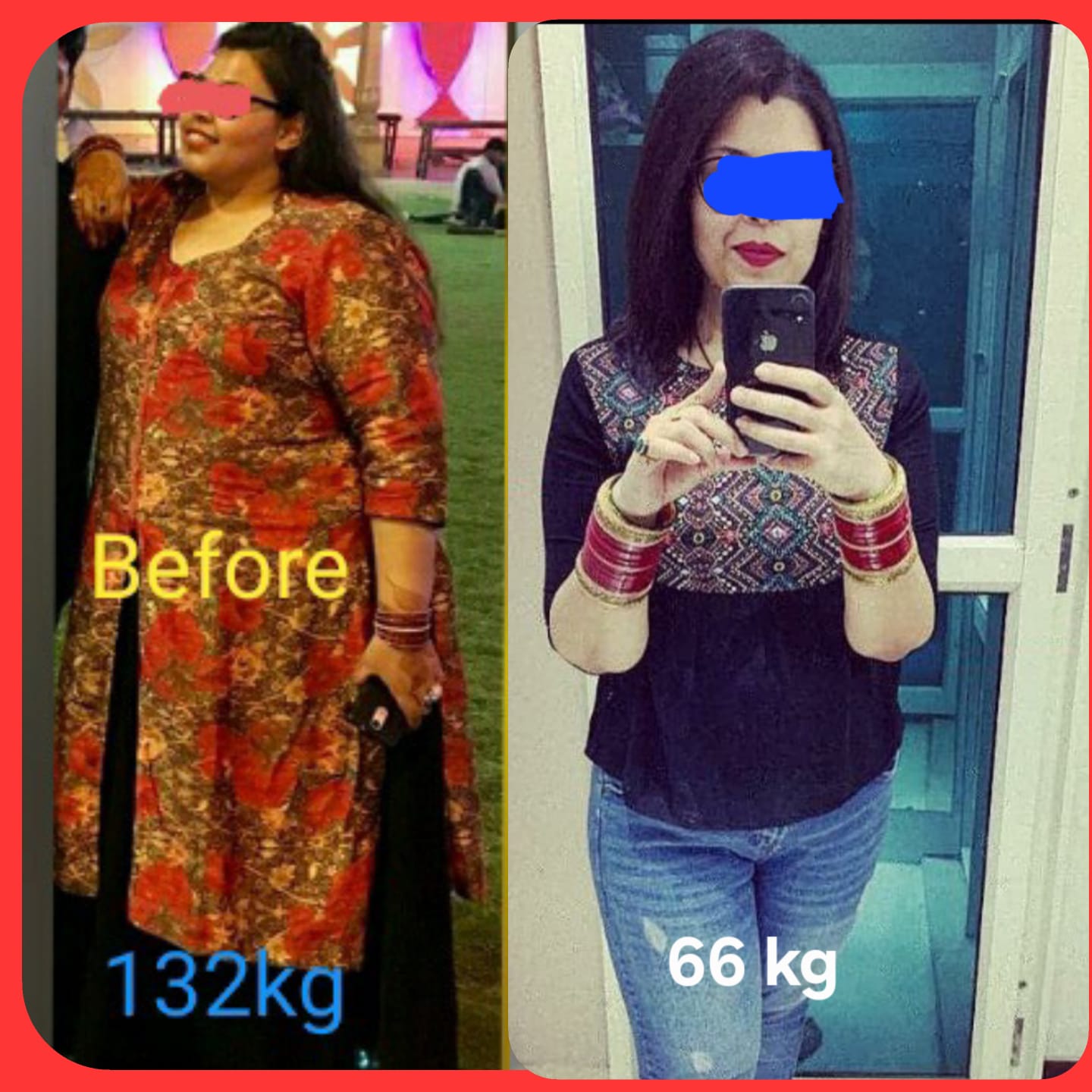
Before and after photos of a Novo bariatric patient, from 132 kg to 66 kg

132 kg → 66 kg

Real patient · 66 kg lost

Shared with the patient's consent. Individual results vary with health, diet and follow-up.
  1. 1Based on my health, which procedure do you recommend, and why?
  2. 2I have (or don't have) acid reflux. How does that change the choice?
  3. 3What results can I realistically expect in 1, 3 and 5 years?
  4. 4Which supplements will I need, and for how long?
  5. 5What support do you offer after surgery (diet, follow-up, counselling)?

The bottom line

Both sleeve gastrectomy and gastric bypass are safe, well-established weight-loss procedures with extensive research supporting their use. However, there is no single surgery that is right for everyone.

The choice depends on factors such as your weight, eating habits, existing health conditions, metabolic health, previous treatments and long-term weight-loss goals. Your surgeon can review these factors and recommend the most suitable approach for you.

Next step

If you are considering weight-loss surgery in Delhi NCR, you can consult Dr. Vikrant Sharma at Novo Robotic Surgery Centre, Kaushambi, Ghaziabad. During your consultation, you can discuss whether a sleeve gastrectomy, Roux-en-Y bypass or mini gastric bypass is the best option for you.